Moving From Denver To Boulder: Housing, Commute And Culture
March 24, 2026
March 24, 2026
Thinking about trading Denver’s big-city buzz for Boulder’s foothills and trails? You are not alone. Many Denver households look north for more everyday outdoor access, a shorter in-town pace, and a distinct small-city culture. In this guide, you will compare housing costs, commute options along US‑36, and lifestyle changes, then walk through a practical move timeline so you can plan with confidence. Let’s dive in.
Boulder is much smaller than Denver, and that shapes daily life. Boulder’s city population is about 106,800, compared with Denver’s roughly 729,000. You will feel the scale shift in everything from traffic to weekend routines. You can review population, education, income, and commute figures in the U.S. Census QuickFacts for Boulder and Denver. Explore Boulder’s QuickFacts and Denver’s QuickFacts.
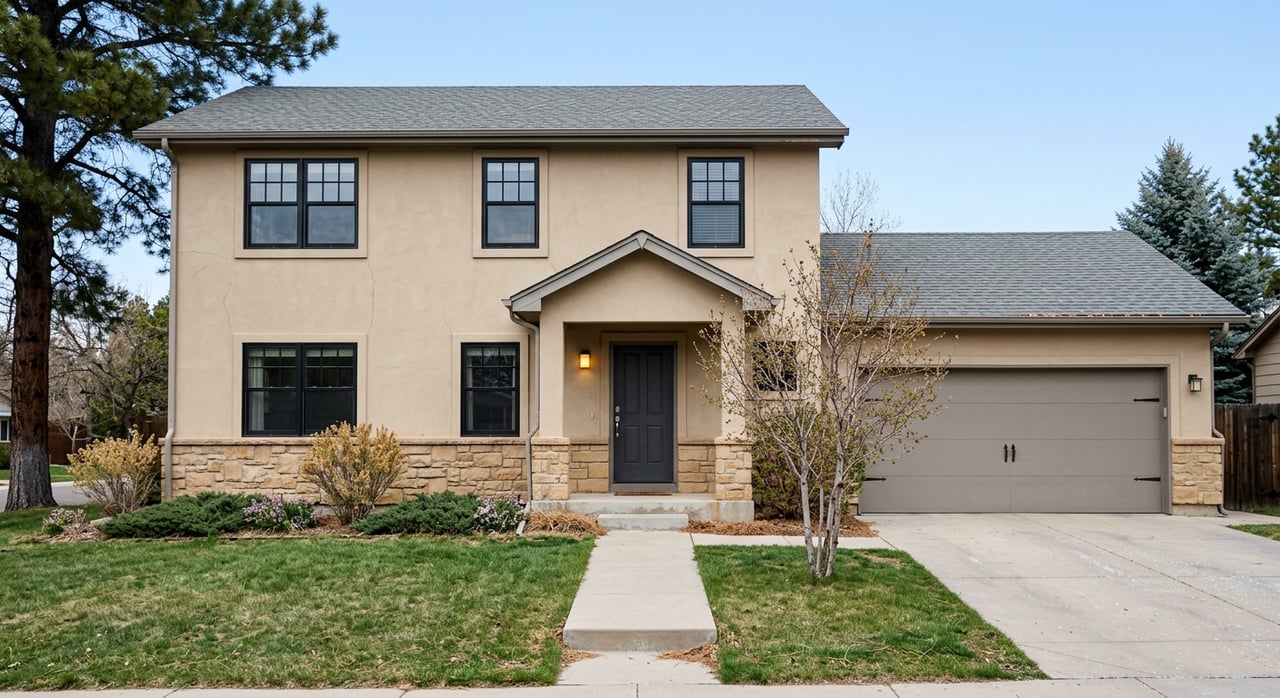
Boulder’s housing mix varies by neighborhood. You will see a blend of condos and apartments in central areas, older bungalows, and higher concentrations of single-family homes near the foothills and around CU Boulder. Owner occupancy sits near 47% in Boulder, similar to Denver’s share. Nearby communities like Louisville, Lafayette, and Longmont add more single-family inventory for buyers who want proximity to Boulder with a wider range of prices. See Boulder’s broader demographic and housing context in Census QuickFacts.
Use the right number for the right purpose. For long-view affordability, the ACS 2020–2024 5‑year estimates show the median value of owner‑occupied housing in Boulder at about $1,039,500, compared with roughly $616,000 in Denver. These figures are best for comparing overall cost levels across cities and time. See the current Boulder snapshot in QuickFacts.
For renters, the ACS median gross rent in Boulder is about $2,018. Asking rents seen in current listings are often higher than older ACS medians. If you plan to rent first while you search, build in time to review active listings and verify current rates month by month.
Price is about supply and demand. Boulder protects extensive Open Space & Mountain Parks lands, which limits outward development and helps keep the city’s outdoor access front and center. That conservation, combined with strong local demand, supports higher price levels. Learn more in the City’s overview of Open Space & Mountain Parks.
The City has also adjusted land‑use tools in recent years to enable more housing types, including accessory dwelling units (ADUs). If you are weighing rental income or multigenerational living, review Boulder’s current ADU regulations and recent planning and code updates to understand what is allowed on a specific lot.
From central Denver to central Boulder is roughly 25 to 30 miles by road, usually along US‑36. That can feel easy on a Sunday morning and slower at weekday peaks. For your own addresses, get a door‑to‑door estimate and compare alternate routes with a route planner such as Travelmath’s drive distance tool. Boulder’s shorter average in‑city commute reflects the city’s smaller footprint, not necessarily regional trips to Denver. You can confirm the commute averages in Boulder QuickFacts.
Outdoor access is a defining feature of life in Boulder. Trailheads, the Flatirons, and preserved open space sit right at the city’s edge. Many residents cite that daily access as a primary reason to move. The conservation that protects those amenities also shapes the local housing supply. Learn more in the City’s Open Space & Mountain Parks overview.
Boulder’s economy is anchored by CU Boulder, national labs, and a cluster of research‑driven employers in cleantech, quantum, and IT. The Boulder Economic Council’s snapshot highlights how education, research, and private firms interact in the local market. For a deeper look, review the Boulder economy overview. In the broader region, NREL reports notable economic impact as a nearby research institution, which supports a skilled workforce across the Front Range. See NREL’s recent impact report.
Public schools in the Boulder area are served by Boulder Valley School District (BVSD). Families often consult performance reports and boundary maps when choosing a neighborhood. For recent district performance context, read BVSD’s update on state assessments and school data. Always verify enrollment steps and deadlines directly with the district.
Boulder offers a smaller downtown scale with the Pearl Street pedestrian mall, a strong local restaurant scene, and a student presence from CU. Denver delivers larger arts venues, pro sports, and a broader nightlife mix. Many movers weigh Boulder’s small‑city identity and outdoor rhythm against Denver’s wider cultural range.
Use this simple timeline to keep your Denver‑to‑Boulder move on track.
If you want daily trail access, a shorter in‑city pace, and a strong research‑ and education‑driven economy, Boulder delivers. You will pay more on average for housing than in Denver, and a commute to Denver can add time depending on the mode and hour. With clear priorities and a tight game plan, you can make the move smoothly.
Ready to talk strategy, timing, and neighborhoods that fit your goals? Connect with The Front Range Real Estate Company to schedule your free consultation and get a move plan tailored to you.
May 21, 2026
May 14, 2026
May 7, 2026
April 23, 2026
April 16, 2026
April 9, 2026
April 2, 2026
March 26, 2026
March 24, 2026
We pride ourselves in providing personalized solutions that bring our clients closer to their dream properties and enhance their long-term wealth. Contact us today to find out how we can be of assistance to you!