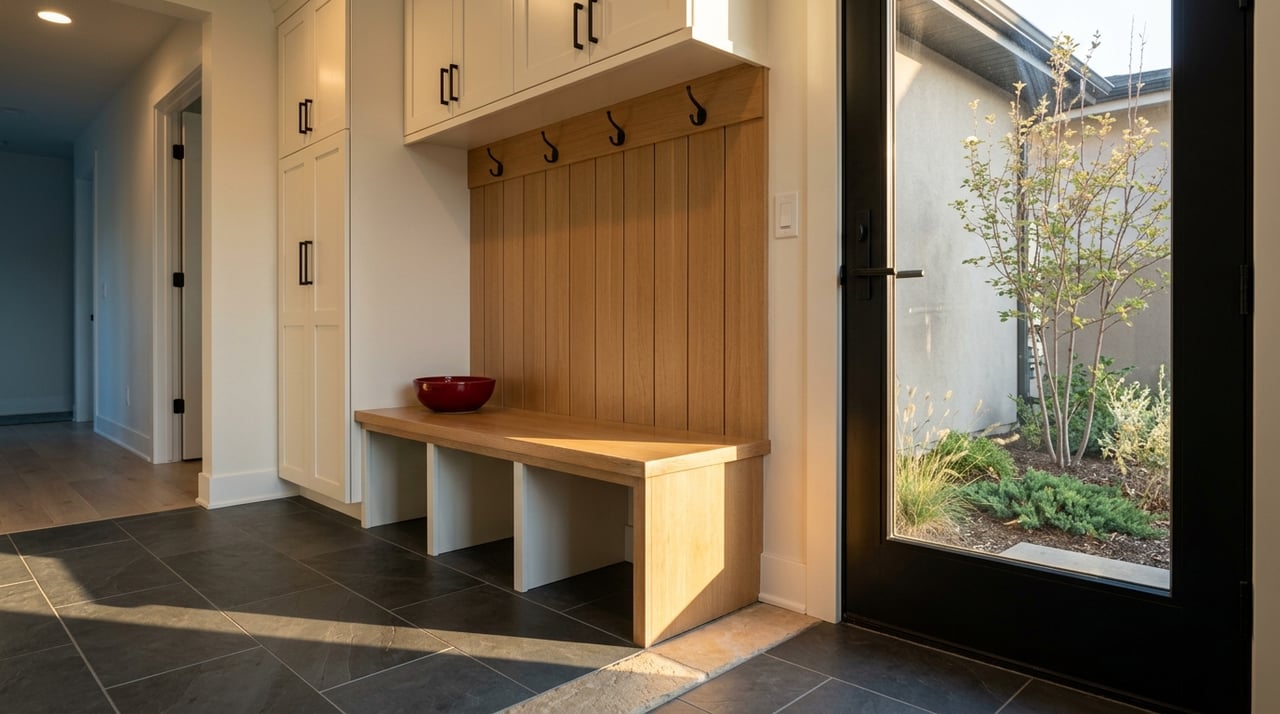
How Highlands Ranch Villages Differ For Today’s Buyers
March 26, 2026
March 26, 2026
Trying to pick the right Highlands Ranch village can feel like choosing between trail views, a quick coffee run, or a bigger backyard. You want clarity on how the neighborhoods differ today, not just a map and a price range. In this guide, you’ll learn how each pocket feels, what amenities shape daily life, and what to verify on a tour so you can build a confident short list. Let’s dive in.
Highlands Ranch is a master‑planned community with amenities managed by two key organizations. The Highlands Ranch Metro District (HRMD) builds and maintains public parks, roads, and the community trail network, which includes more than 70 miles of trails and about 2,644 acres of open space inside the developed area. The Highlands Ranch Community Association (HRCA) runs four major recreation centers and manages the Backcountry Wilderness Area, a protected landscape of about 8,200 acres. You can read more about the community’s history and planning roots through the Highlands Ranch Historical Society.
Almost every homeowner pays a quarterly HRCA assessment, which covers rec center access, Backcountry programming, and covenant enforcement. For 2026, HRCA lists a recreational and administrative assessment of $174 per quarter. Many homes also have a neighborhood sub‑association and a separate metro‑district property tax levy that appears on the county tax bill, so you will want to budget for both. Always verify the current HRCA amount and any sub‑association dues: HRCA assessments page.
Each pocket of Highlands Ranch trades on a different blend of convenience, open space, and home features. Use these snapshots to match areas to your lifestyle, then confirm details on a tour.
Representative areas include Crescendo at Central Park and the Clocktower/Brownstones near Civic Green. These streets feel more “lock‑and‑leave,” with smaller yards, condo and townhome options, and easy access to restaurants, library services, and medical care. If you want short errands and lower outdoor maintenance, this is a strong fit.
What to check on a tour:
BackCountry, a gated enclave along the southern edge, is known for privacy, mountain views, and direct proximity to the Backcountry Wilderness Area. Homes here often feature larger lots and upscale finishes, and the HOA includes resort‑style amenities with a clubhouse and pool. Expect higher price points than the broader Highlands Ranch market; check current comps with your agent.
What to check on a tour:
Several pockets border local courses such as The Links at Highlands Ranch and the Highlands Ranch Golf Club, along with communities like Gleneagles Village. Listings that face fairways are often marketed for views and a manicured feel rather than a rugged trail setting. If you value course scenery and open sightlines, these areas are worth a look. For context on The Links, review the course profile.
What to check:
Westridge, Northridge, Eastridge, and Southridge include many of the original build‑out phases from the 1980s into the early 2000s. You will find mature trees, classic floor plans, and, in some sections, larger lot footprints than newer infill. These neighborhoods often offer strong value per square foot and quick access to one of the four HRCA rec centers.
What to check:
Later‑phase neighborhoods such as Firelight (2000s–2010s) emphasize contemporary layouts, open kitchens, and larger garages. Many streets were designed with deliberate connections to HRMD trails and, in some spots, to the Backcountry edge. Some newer pockets layer a sub‑association on top of HRCA dues, so compare costs across options.
What to check:
Trail and open‑space access is one of the biggest lifestyle separators in Highlands Ranch. Inside the developed community, HRMD maintains more than 70 miles of trails and about 2,644 acres of open space. HRCA manages the adjacent Backcountry Wilderness Area at roughly 8,200 acres, which supports conservation and hosts private‑trail programming. If a backyard claims “backs to open space,” verify whether it borders HRMD open space, a greenbelt, or a private corridor, and confirm access rules with the relevant manager: HRMD open space and trails.
All four HRCA facilities offer pools and fitness options, yet each has a distinct feel. Scan highlights, then match them to your routine: HRCA recreation overview.
Highlands Ranch offers quick access to C‑470 and I‑25 for regional travel. For partial transit commutes, the RTD light rail serves nearby RidgeGate and Lincoln Park‑and‑Ride stations in neighboring Lone Tree. Day‑to‑day life is mostly car‑centric outside the Town Center pockets, so factor in drive times to your regular stops. For regional routes and schedules, visit RTD.
Homes in Highlands Ranch feed into Douglas County School District. Attendance boundaries can shift with district updates, so always confirm the current assignment for a specific address before you write an offer. Use the district’s official maps and tools: DCSD boundary resources and DCSD high schools.
When you compare homes, look at the full monthly picture. HRCA dues are paid quarterly and include rec center access and Backcountry programming. Some neighborhoods have an added sub‑association fee, and metro‑district property tax levies appear on your county tax bill. Ask the seller or listing agent for the latest HRCA invoice, sub‑association statements, and the most recent county tax bill to model your carrying costs. You can confirm current HRCA amounts here: HRCA assessments.
Use this checklist to compare villages like a pro and avoid surprises.
Logistics and lifestyle
Paperwork to request before or at the first visit
On‑site verification
If you want help building a short list and scheduling targeted tours, we are here. Reach out to The Front Range Real Estate Company to talk through your wish list and next steps.
May 21, 2026
May 14, 2026
May 7, 2026
April 23, 2026

April 16, 2026
April 9, 2026
April 2, 2026
March 26, 2026
March 24, 2026
We pride ourselves in providing personalized solutions that bring our clients closer to their dream properties and enhance their long-term wealth. Contact us today to find out how we can be of assistance to you!