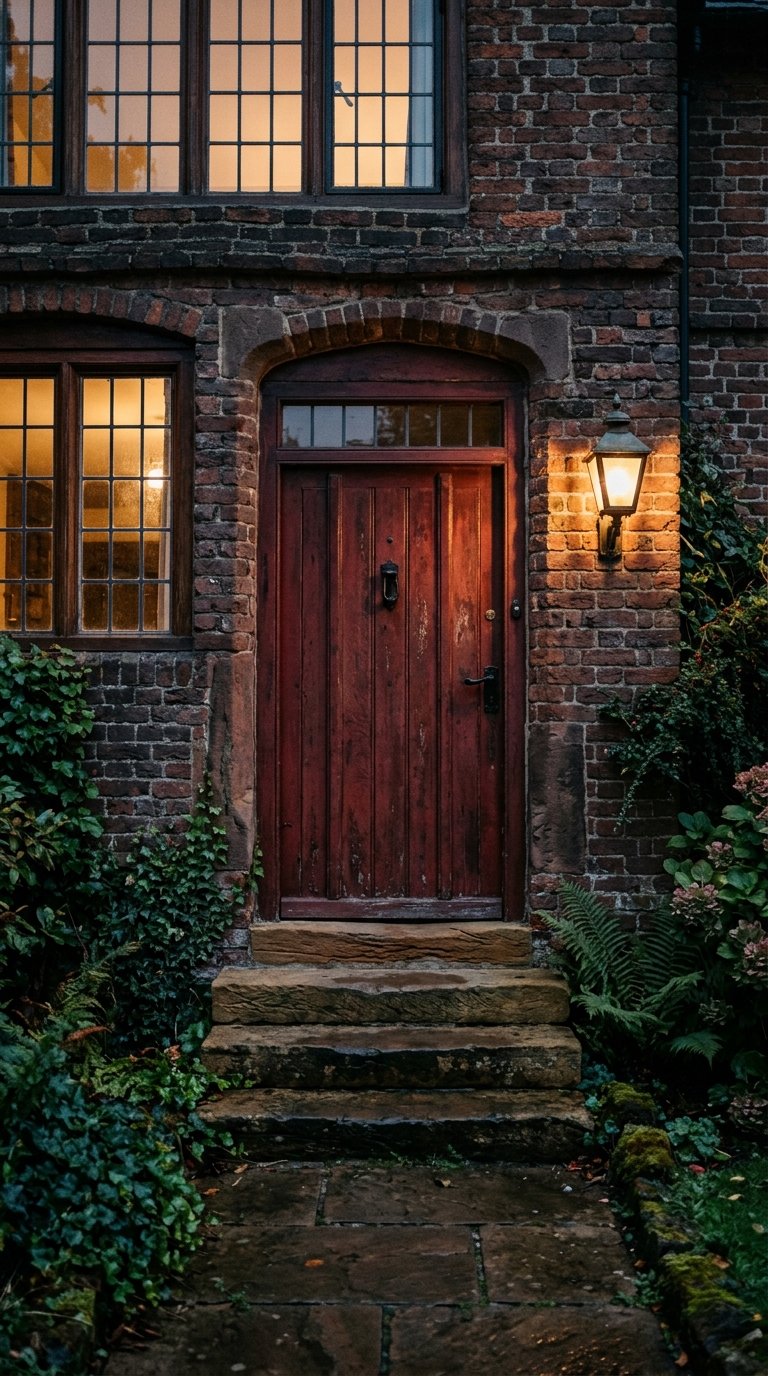
Buying A Historic Home In Colorado Springs’ Old North End
May 21, 2026
May 21, 2026
Love the character of a century-old home, but worried about what comes with it? If you are thinking about buying in Colorado Springs’ Old North End, that concern is completely reasonable. The neighborhood offers historic architecture, established streetscapes, and homes with details you rarely find in newer construction, but it also calls for careful due diligence. This guide will help you understand what to look for, what questions to ask, and how to plan your purchase with more confidence. Let’s dive in.
Old North End is a nationally recognized historic district in Colorado Springs, with the original district documented in 1982 and expanded in 2015. Many homes in the neighborhood fall within one of the area’s two historic districts. That historic status is a big part of why buyers are drawn here.
You will find a wide mix of architectural styles, including Victorian and Queen Anne, Colonial Revival, Shingle, Craftsman and Bungalow, Tudor Revival, Spanish Mission, Spanish Colonial Revival, and later Ranch and Modern Movement homes. In practical terms, that means your home search may include everything from ornate porches and bay windows to stucco exteriors, tile roofs, and detached historic garages.
For many buyers, the appeal is simple: these homes feel distinctive. Old North End developed through several building eras, so the neighborhood offers more variety and original design features than many newer parts of the city.
One of the most important things to understand is that not all historic designations work the same way. A home may be associated with the National Register, local historic overlay zoning, or both. Those differences matter when you start thinking about repairs, exterior updates, or future additions.
According to History Colorado, listing on the National Register does not automatically create renovation restrictions. By contrast, the City of Colorado Springs says properties in the Historic Preservation Overlay zone are subject to additional review before construction or modification.
That is why you should confirm the exact status of the parcel early in the process. Do not assume that a home’s age or appearance tells you everything about what is allowed. A quick verification up front can save you time, money, and frustration later.
Historic homes in Old North End often come with beautiful original details, but those same details can require more thoughtful maintenance. Wood porches, decorative trim, older windows, chimneys, stucco finishes, and historic garages may all be part of the property’s character.
That does not mean every house will need major work. It does mean you should look at the home with a preservation-minded lens. Instead of asking only whether something is old, ask whether it is functioning well, whether it has been maintained properly, and whether future repair work may need special review.
If you are relocating from out of area or buying on a tighter timeline, this is one place where local guidance matters. Historic homes can be wonderful purchases, but they reward buyers who slow down and verify details.
When you buy any home, inspection matters. When you buy a historic home, it becomes even more important. The CFPB recommends scheduling an independent inspection as soon as possible, attending if you can, and using an inspection contingency so you can negotiate repairs or cancel the sale if major issues come up.
In Old North End, some of the biggest inspection priorities are usually the building envelope and original materials. That often includes the roof, flashing, gutters, chimneys, siding or stucco, windows, porches, and attached or detached garages.
Here are a few smart due-diligence priorities to keep on your list:
The city notes that private covenants and restrictions may apply even where city rules do not, and those are not enforced by the city. That means you should not stop your research at municipal rules alone.
If you are buying an older home, two health-related items deserve extra attention: lead paint and radon. EPA says most homes built before 1978 should be treated as potential lead-paint homes. Sellers of most pre-1978 housing must disclose known lead hazards before the buyer is obligated under contract.
If you plan to renovate after closing, this matters even more. Renovation activity in older homes can create lead dust, so you will want to understand both the risk and the condition of painted surfaces before work begins.
Radon is also a major Colorado issue. CDPHE says elevated radon is found in one out of every two Colorado homes, and all homes should be tested. For real estate transactions, CDPHE says testing should be done in the lowest area that could become living space, such as an unfinished basement.
If you love the idea of “buy now, update later,” make sure your plan matches the property’s review requirements. In the Historic Preservation Overlay zone, the city requires additional review by the Historic Preservation Board for modifications, new structures, and demolition.
ONEN’s restoration guide adds an important practical point. Exterior improvements visible from the public right of way that require a Regional Building permit also need prior review and approval, and that approval uses a Report of Acceptability. The neighborhood association is not the approving authority.
Some projects follow a different path. The city directs overlay-zone re-roof questions to Development Review Enterprise, so roof work may involve a separate review process. ONEN also notes that window replacement usually does not require a permit unless the opening is enlarged, reduced, or newly created.
If you buy a home that falls under local review, your renovation ideas should be checked against the actual standards used by the city. Colorado Springs reviews requests against the Old North End Historic District Design Standards, and ONEN notes that the design standards and interpretive guide are the practical references for owners and contractors.
The city also says rehabilitation and restoration work on historic properties must comply with the Secretary of the Interior’s Standards for Rehabilitation. That can influence material choices, design details, and how exterior changes are evaluated.
This is one reason historic-home budgeting often needs more flexibility than a standard cosmetic remodel. Even when your project is allowed, the process, materials, and timeline may look different from work on a non-historic property.
The price you pay for the home is only part of the financial picture. Historic-home buyers should leave room for inspections, possible specialist evaluations, preservation review, permit fees, and hidden repairs that may not be obvious during a first showing.
The CFPB notes that lenders may require repairs or an escrow holdback if major work is needed. That means condition issues can affect not just your budget, but also your financing and your closing timeline.
A smart purchase plan often includes:
If the home needs updates, it is usually better to go in with a realistic reserve than to stretch every dollar on the purchase itself.
For some buyers planning approved rehabilitation work, tax incentives may be worth exploring. History Colorado says National or State Register properties may be eligible for investment tax credits for approved rehabilitation projects. ONEN also says homes in the Old North End or North Weber/Wahsatch historic districts may qualify for state tax credits.
That does not mean every project or property will qualify. It does mean you should ask early if tax credit potential is part of your long-term ownership plan. Eligibility, scope of work, and approval requirements all matter.
Historic homes are rarely “plug and play” purchases. They ask more from buyers, but they can also offer a level of charm, craftsmanship, and neighborhood identity that is hard to replicate.
The key is to move forward with clear eyes. Verify the home’s historic status, inspect thoroughly, test for radon, understand lead-paint rules for older homes, and match your renovation goals to the city’s review process before you commit.
When you approach Old North End with a solid plan, you can enjoy the character that makes the neighborhood special without being caught off guard by the process. If you are considering a historic home in Colorado Springs and want practical guidance from a local team, The Front Range Real Estate Company is here to help.
May 21, 2026
May 14, 2026
May 7, 2026
April 23, 2026

April 16, 2026
April 9, 2026
April 2, 2026
March 26, 2026
March 24, 2026
We pride ourselves in providing personalized solutions that bring our clients closer to their dream properties and enhance their long-term wealth. Contact us today to find out how we can be of assistance to you!