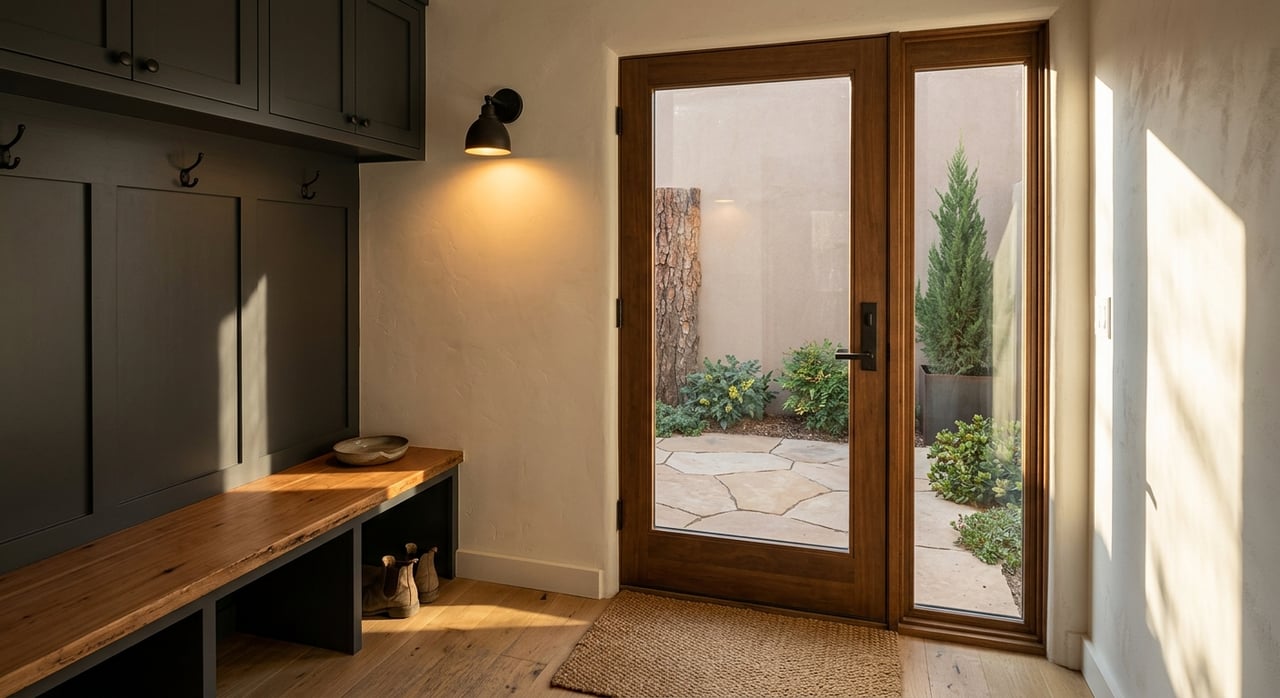
Manitou Springs As A Home Base, Not Just A Getaway
June 4, 2026
June 4, 2026
What if Manitou Springs works better for everyday life than many people expect? It is easy to think of this mountain-edge town as a place you visit for an afternoon, a weekend, or a special event. But if you are considering putting down roots, Manitou Springs offers something more layered: a real residential community with historic homes, walkable daily routines, and a pace shaped by both locals and visitors. If you want to know what it is actually like to use Manitou Springs as a home base, not just a getaway, this guide will help you think it through. Let’s dive in.
Manitou Springs sits at the foot of Pikes Peak and has deep roots as a scenic health resort founded in 1872 and incorporated in 1876. Today, it remains a small city with about 5,000 residents, and Census Reporter lists a population of 4,735 across 3.1 square miles. That small scale is part of what gives the town its distinct feel.
The local economy is strongly tied to tourism, with shops, art galleries, museums, restaurants, and lodging concentrated downtown. Even so, the numbers point to a place where people truly live year-round. About 90% of residents lived in the same house a year earlier, roughly 62% of occupied homes are owner-occupied, and the average household size is 2.0 people.
That mix matters when you are home shopping. You are not just buying into a scenic backdrop. You are buying into a compact, established community where daily life and destination appeal exist side by side.
If you move to Manitou Springs, your routine may look different from life in a more typical suburban setting. The town is more compact, more walkable, and more shaped by visitor traffic than many nearby communities. For the right buyer, that can be a real advantage.
Census data shows a mean travel time to work of 25.7 minutes, which suggests some residents commute into the broader Colorado Springs area. That can make Manitou Springs appealing if you want a smaller-town home base while staying connected to a larger job market. You get a town with its own identity, while still being part of the wider Front Range rhythm.
The town also has a relatively settled resident profile. The median age is 47.3, median household income is $85,000, and occupied housing makes up about 92% of the housing stock. These numbers support the idea that Manitou Springs is not just built around turnover or short stays.
Manitou Springs is set up in a way that encourages walking and shuttle use. The city partners with Mountain Metro to provide free shuttle service, and Mountain Metropolitan Transit also serves the area. Route 33 operates year-round with seasonal hours, while Route 36 runs seasonally from late April through September.
For you as a resident, that can change the way errands and outings work. Instead of expecting easy curbside parking everywhere, you may find yourself parking once, walking downtown, and planning around busier visitor periods. The city’s transportation vision also emphasizes walking, biking, transit, and reduced congestion.
Parking is one of the clearest examples of how Manitou Springs functions differently from a standard neighborhood. Local parking information describes a mix of paid and free lots, paid on-street parking, and free parking after 6 p.m. It also clearly states that visitor parking is not allowed on residential streets.
That does not mean living here is inconvenient. It means you should expect a more structured system and a different rhythm. If you value being close to downtown activity and are comfortable with a less car-centered routine, this setup may feel practical rather than restrictive.
One of the biggest reasons buyers are drawn to Manitou Springs is the housing stock. Much of it is historic, distinctive, and hard to replicate elsewhere in the region. Instead of rows of similar homes, you will find a more individual streetscape shaped by age, architecture, and topography.
The city’s historic district design guidelines reference Victorian, Queen Anne, Shingle, Craftsman, Pueblo Revival, cottage, and log-cabin patterns. Some properties along Ruxton Avenue even began as shops or stands before later being converted to residential use. That variety gives the town a strong sense of place.
If you love older homes, Manitou Springs can be especially compelling. But historic character here is not just aesthetic. The city has had an active Historic Preservation Commission and local Historic District since 1980, and exterior changes visible from the public right-of-way in local historic sub-districts fall under commission jurisdiction.
For you, that means ownership may involve more review and planning than in a newer subdivision. If you want to update a home, expand outdoor features, or change visible exterior elements, compatibility standards may apply. That is important to understand before you buy, especially if your vision includes major renovation.
The town’s terrain is part of its appeal, but it also affects day-to-day ownership. Historic district guidance references steep slopes, terraced sites, stone retaining walls, stairs, and smaller yards in some areas. In certain parts of town, on-street parking is also part of the built environment.
This can create a more interesting and scenic home setting. It can also mean more upkeep, more site-specific maintenance, and less of the flat-lot simplicity you may find elsewhere. When you tour homes in Manitou Springs, it helps to look beyond the charm and think practically about access, parking, stairs, retaining walls, and exterior maintenance.
For many buyers, the answer is yes. Manitou Springs can absolutely serve as a second home or personal retreat, but its rules make it less like an unrestricted short-term rental market. If your plan depends heavily on vacation rental income, you need to understand the city’s framework upfront.
New short-term rentals must be owner-occupied and must be the owner’s primary residence for at least 185 days each year. They must also maintain a 500-foot buffer from other short-term rentals, obtain both a city short-term rental permit and a business license, and follow annual renewal requirements. The city also caps short-term rentals at 2% of residential structures, and permits expire when a property is sold or transferred.
These rules point to a specific type of ownership. Manitou Springs may be a better fit if you want to live in the home most of the year and potentially use it for occasional guest stays, rather than treat it like a pure vacation-rental investment. That is a very different approach from what some buyers imagine when they first look at a tourism-driven market.
This is one reason it helps to think of Manitou Springs as a home base first. The town supports owner occupancy and long-term residential use in a very real way. If that matches your goals, the community can make a lot of sense.
No market is perfect for everyone, and Manitou Springs is no exception. The key is knowing which features are true benefits for your lifestyle and which ones may feel like friction.
For many buyers, those tradeoffs are exactly what make the town special. Manitou Springs is not trying to be a standard suburban experience. It offers a more intentional, place-specific way of living.
Manitou Springs may work well for you if you want a primary home with character, enjoy a walkable setting, and appreciate a town that feels established rather than master-planned. It can also make sense if you commute into the greater Colorado Springs area but want your home life to feel more distinct and connected to the foothills.
It may also appeal to buyers who value individuality in housing stock. With about 74% of housing structures made up of single-unit homes, the market leans residential even though the city is well known as a destination. That balance is part of the appeal.
On the other hand, if you want abundant parking, simpler remodeling rules, or a property designed primarily for flexible short-term rental use, you may need to weigh your options carefully. A successful move here usually starts with clear expectations.
Because Manitou Springs is small, historic, and shaped by tourism, buying here is often more nuanced than buying in a typical neighborhood nearby. Two homes at similar price points can come with very different ownership experiences depending on lot layout, parking, historic district status, and renovation potential.
That is where local guidance can make a real difference. When you understand how daily life functions here, not just how the town looks on a sunny afternoon, you can buy with more confidence. The goal is not simply to find a charming property. It is to find the right fit for the way you actually want to live.
If you are thinking about making a move in Manitou Springs or anywhere along the Front Range, The Front Range Real Estate Company can help you evaluate the details, compare your options, and move forward with clarity.
July 23, 2026
July 16, 2026
July 9, 2026
July 2, 2026
June 25, 2026
June 18, 2026
June 11, 2026
June 4, 2026
May 28, 2026
We pride ourselves in providing personalized solutions that bring our clients closer to their dream properties and enhance their long-term wealth. Contact us today to find out how we can be of assistance to you!