Thinking about selling your Old North End home and feeling a mix of pride and pressure? You are not alone. Historic properties draw buyers who love story and craftsmanship, but they also raise questions about permits, disclosures, repairs, and value. In this guide, you will learn how to prepare, price, market, and navigate local rules so you can sell confidently and protect what makes your home special. Let’s dive in.
Know your historic status
Understanding what “historic” means for your specific property is step one. In Colorado Springs, National Register status is primarily honorary, while local preservation overlay zoning is what can trigger design review. Your next move is to verify which applies to your address and plan your timeline accordingly.
National Register vs local overlay
Many Old North End streets sit within National Register districts. National Register listing alone does not control what you can change on a private home. Local overlay zoning is the regulatory tool that can require design review for exterior work. If your property is in a local overlay, expect exterior changes visible from the street to need review before permits through the City’s program. Start by reviewing the City’s guidance and contact staff with your address to confirm requirements through the City’s Historic Preservation program.
When exterior work needs review
If your home is subject to local review, exterior alterations that are visible from the public right of way often require a Certificate of Appropriateness or similar approval before permitting. Build in time for this step, especially if you plan to repair porches, replace windows, modify siding, or alter rooflines. The City’s Historic Preservation staff can help you understand the process and timeline.
Disclosures you must provide
Colorado requires sellers to disclose known material facts about the property. Plan ahead so your buyer packet is complete and clear.
- Colorado Seller’s Property Disclosure. You must disclose what you actually know about the home’s condition using the Commission-approved SPD. Learn the basics of your obligations in the statute covering disclosures of adverse material facts in the Colorado Seller’s Property Disclosure statute.
- Lead-based paint for pre-1978 homes. Most Old North End homes were built before 1978. Federal law requires the lead warning statement, the EPA/HUD pamphlet, and disclosure of any known lead hazards. Buyers must be given an opportunity to test. Review the federal lead-based paint disclosure rule.
- Other required notices. Colorado has additional disclosures, including radon information, and certain special district or oil-and-gas language where applicable. See general disclosure provisions in Colorado statute section 38-35.7-104, and ask your listing agent to prepare the full set of required forms.
Protect and document original features
Buyers pay attention to what is authentic. If you are planning repairs before listing, focus on preserving character while addressing safety and function.
- Follow accepted preservation standards. The Secretary of the Interior’s Standards for Rehabilitation are the common reference for historically sensitive work. When in doubt, choose minimal, repair-first, and reversible approaches.
- Repair, then upgrade for comfort. Original windows, trim, and porches often can be repaired and weatherized rather than replaced. Thoughtful air sealing and storm windows are typical solutions that respect historic fabric. NPS technical resources outline best practices for energy efficiency in historic buildings.
- Test for older-home hazards. Pre-1978 homes can include lead paint and sometimes asbestos or knob-and-tube wiring. If you want to remove uncertainty, consider pre-listing testing by certified pros and include results in your packet. Federal guidance on lead applies here; start with the EPA rule summary.
- Build a “home history” packet. Include old photos, a timeline of work, permits, contractor receipts, Certificates of Appropriateness (if any), warranties on major systems, and dated before-and-after photos. Clear documentation builds trust and can support your price.
Credits and timing for pre-sale work
If you plan to complete meaningful preservation work before listing, timing matters. Some incentives require approval before you begin.
- Colorado state tax credits. Colorado offers state-level historic preservation credits for qualifying residential rehabilitations. Rules, minimums, and funding pools can change. If credits are part of your plan, apply early and confirm eligibility through History Colorado’s preservation tax credits.
- Federal credits and owner-occupants. The federal 20 percent Historic Rehabilitation Tax Credit applies to certified rehabilitation of income-producing properties, not owner-occupied residences. Get the overview here: Federal Historic Rehabilitation Tax Credit.
- Mixed-use or commercial properties. If your property includes income-producing components, the state commercial credit runs through OEDIT. Explore current program details at the Colorado commercial historic preservation tax credit.
How lenders and appraisers see it
Historic charm helps, but financing still depends on condition and comparables.
- Appraisals. Appraisers use market comps and adjust for condition, utility, and features. Unique period details can be valuable for some buyers, but that value must show up in the market. Work with an agent who understands historic comps in the Old North End.
- Lender safety and systems. Older electrical panels, visible knob-and-tube, active leaks, unsafe porches, or unclear heating performance can trigger repair requirements. Clearing major safety items before listing can expand your buyer pool and loan options. See how underwriters view condition in HUD guidance on appraisal and property condition.
- Insurance considerations. Some insurers price older wiring or deferred maintenance differently. If your insurer has covered you without issue, consider sharing that contact with buyers.
Pricing and positioning that work
Pricing a historic home blends data and storytelling. Comps in the Old North End may be limited for your exact style or square footage, so adjust thoughtfully and highlight condition.
- Be clear about condition. Major deferred items like foundations, roofs, or active water issues often need to be handled pre-listing or reflected in price. Cosmetic projects are less likely to block offers when systems are sound.
- Documented updates support value. Permitted, well-documented work with receipts builds buyer confidence. Organize your documentation so buyers can verify quality quickly.
- Market to the right audience. Your agent should know how to present your house history, original features, and any approvals or credits. Reaching preservation-minded buyers through targeted channels can widen exposure while staying within Fair Housing guidelines.
Marketing and staging for character
Your goal is to let the architecture shine while helping buyers picture daily life.
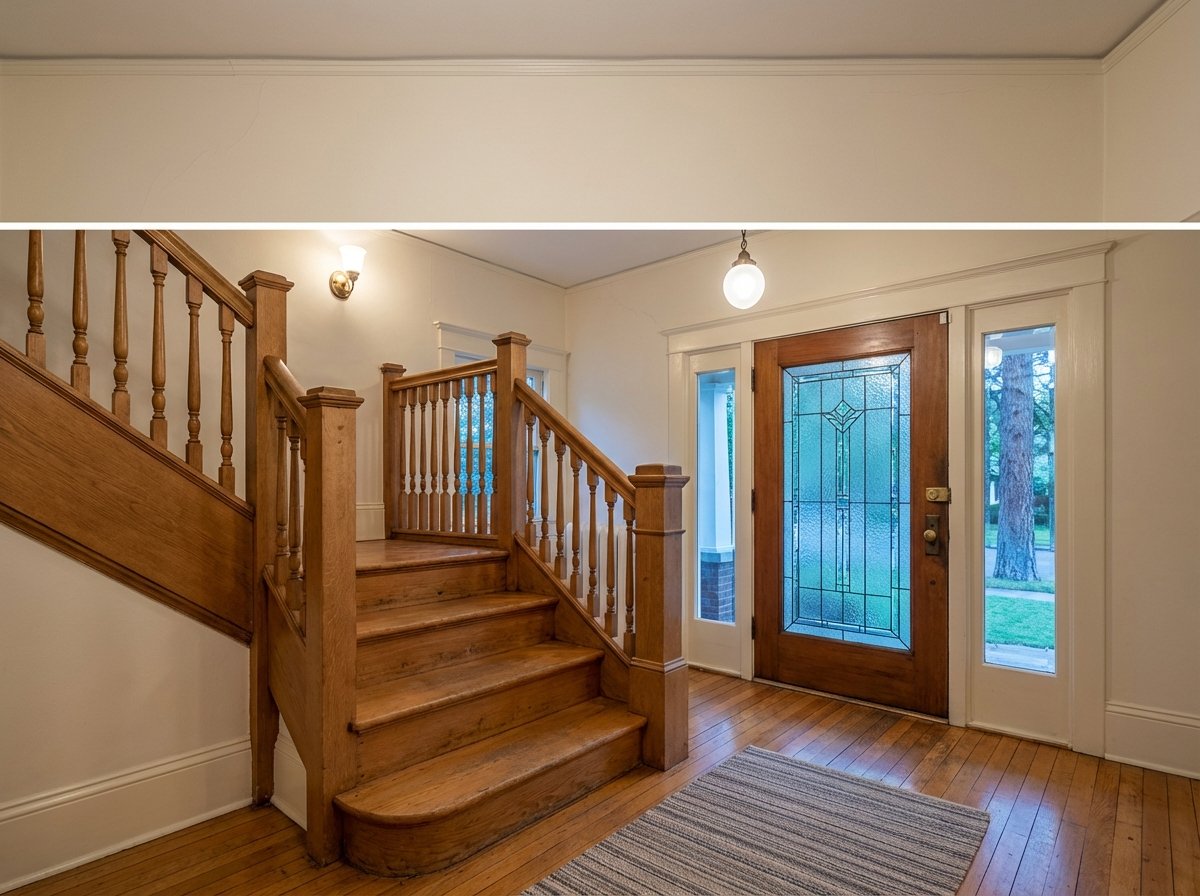
- Photography and floor plans. Hire a photographer who understands older homes. Capture the elevation, porch details, millwork, stained glass, and mantels, plus a clean floor plan for flow.
- Story-first listing copy. Open with a short history, name the era and style in plain language, and call out architectural highlights. Make a clear list of recent system upgrades that support financing.
- Measured staging. Keep period-appropriate pieces that signal authenticity, remove visual clutter, and brighten rooms with lighter fabrics and neutral rugs. The mix should feel livable and warm.
Your 6–12 month checklist
Use this timeline to protect character and keep your options open with buyers and lenders.
9–12 months before listing
- Confirm your status. Verify if your home is in a local Historic Preservation Overlay and learn what exterior work requires review through the City’s Historic Preservation program.
- Explore credits early. If you plan eligible preservation work, contact History Colorado to confirm timing and application steps for the Colorado preservation tax credits.
- Order inspections. Get a pre-listing home inspection plus specialized tests as needed, such as lead, asbestos, radon, sewer scope, or electrical. Use results to prioritize safety and financing hurdles.
6–9 months before listing
- Tackle essential repairs. Address roof, structural, electrical, plumbing, and water issues first. Keep exterior character intact and obtain any required approvals before visible work.
- Submit credit applications. If applicable, file your Part 1 state credit application before starting qualifying work and confirm documentation requirements.
2–6 months before listing
- Make preservation-friendly upgrades. Weatherstrip or add storm windows, touch up paint with historically appropriate colors, and repair period hardware. Photograph and date each step.
- Assemble your packet. Include the Seller’s Property Disclosure, lead-based paint form if pre-1978, inspection summaries, permits, contractor receipts, COAs, warranties, and home history photos. For the SPD, review your duties in the Colorado disclosure statute. For pre-1978 homes, include the required documents outlined in the EPA disclosure rule.
0–8 weeks before listing
- Finalize marketing. Schedule professional photos and floor plans, write story-forward copy, and stage with a light hand.
- Price with context. Set pricing with an agent who understands Old North End comps, your documentation, and any remaining repairs.
Local contacts and resources
- Old North End Neighborhood resources and maps: oldnorthend.org
- City of Colorado Springs Historic Preservation program: Already linked above
- History Colorado preservation tax credits: Already linked above
- Colorado commercial historic preservation tax credit (OEDIT): Already linked above
- Secretary of the Interior’s Standards: Already linked above
- EPA lead-based paint disclosure rule: Already linked above
- HUD guidance on appraisal and property condition: Already linked above
Ready to talk through your timeline, pricing, and marketing plan for an Old North End sale? Our family-led team brings neighborhood know-how and premium marketing to every listing. Reach out to The Front Range Real Estate Company to get a tailored plan for your home.
FAQs
Do Old North End sellers need permission to replace windows?
- If your property sits inside a local Historic Preservation Overlay, exterior work visible from the street often requires review and approval through the City; National Register status alone does not create that requirement. Contact the City’s Historic Preservation staff to confirm.
What disclosures are required when selling a pre-1978 home in Colorado?
- You must complete the state Seller’s Property Disclosure and, for most pre-1978 homes, provide the federal lead warning statement, the EPA/HUD pamphlet, and any known lead information, plus allow buyers time to test for lead.
Will historic designation hurt my sale price?
- Not necessarily. Many buyers value authenticity and well-documented preservation; pricing should reflect condition, permitted modifications, and comparable sales, while major deferred maintenance may need to be addressed or priced in.
Can I use tax credits for work before selling a residence?
- Colorado offers state preservation credits for qualifying residential projects, but rules and timing vary; apply early and confirm eligibility before starting work. The federal 20 percent credit applies to income-producing properties, not owner-occupied homes.
What repairs help the most with financing on an older home?
- Prioritize health and safety items like electrical, heating, plumbing, roof, water intrusion, and structural concerns. Clear documentation and completed permits can expand the pool of eligible loans and buyers.